Understanding Anxiety and Obsessive Behavior in Persons with Disabilities
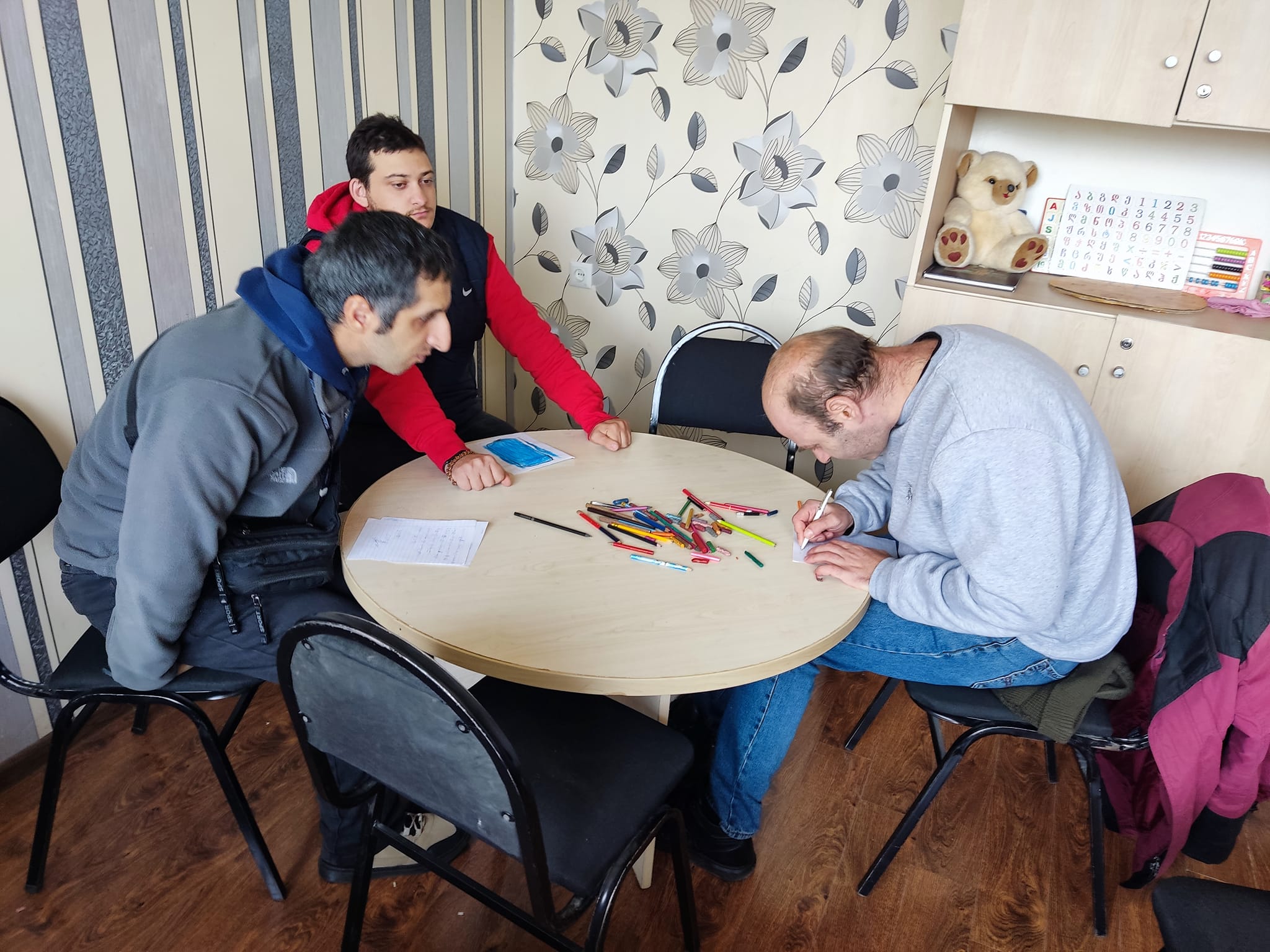
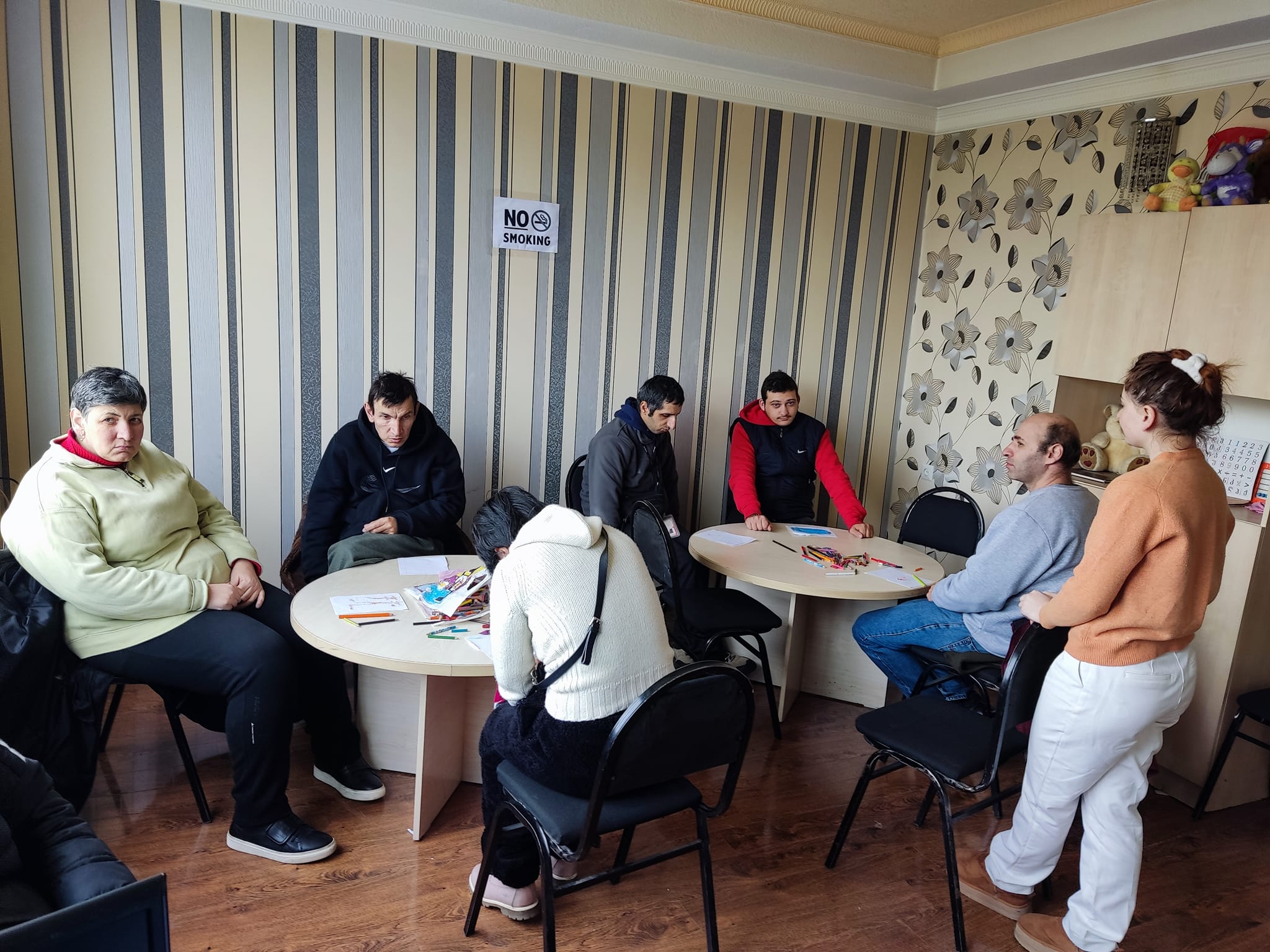
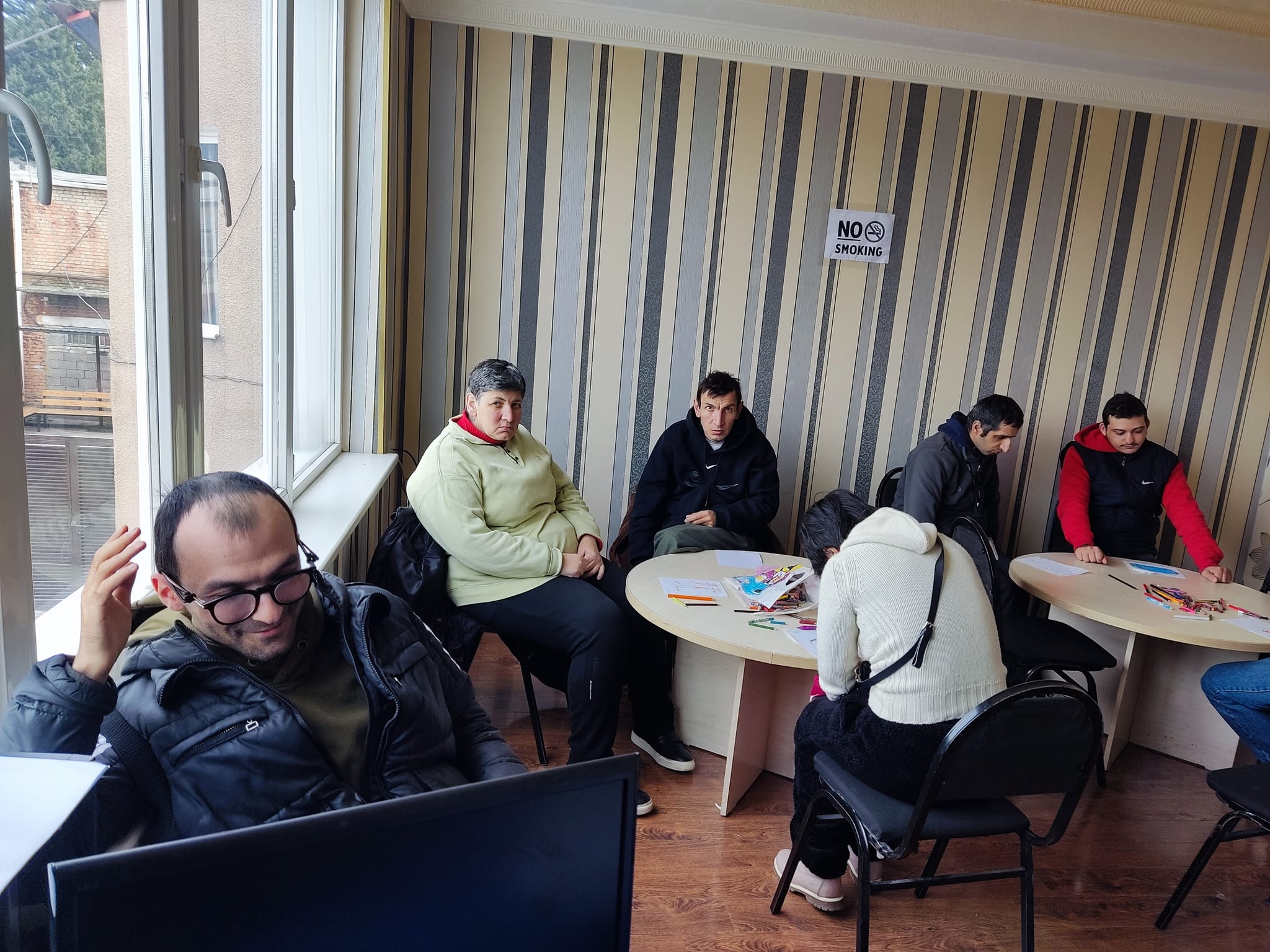
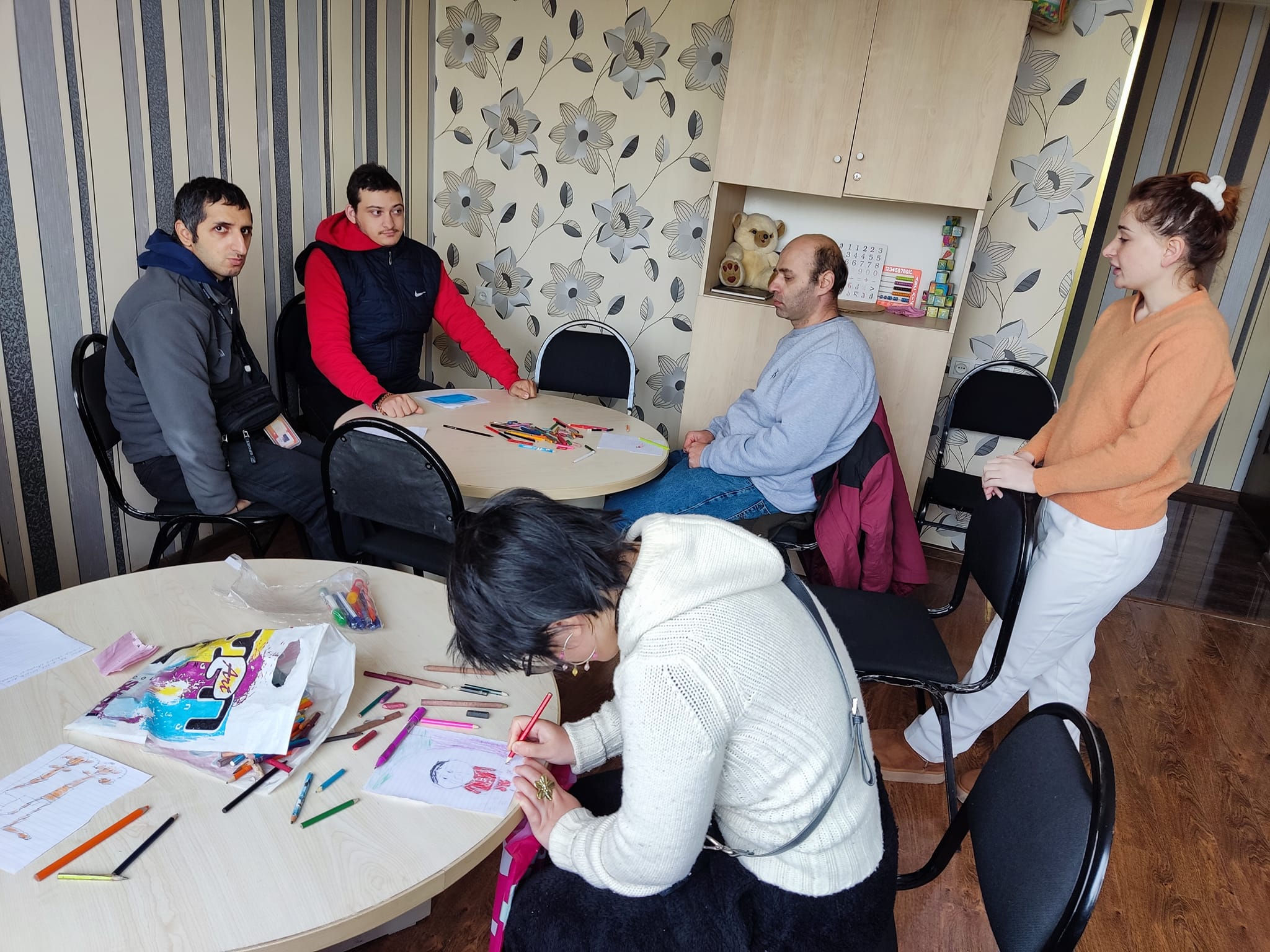
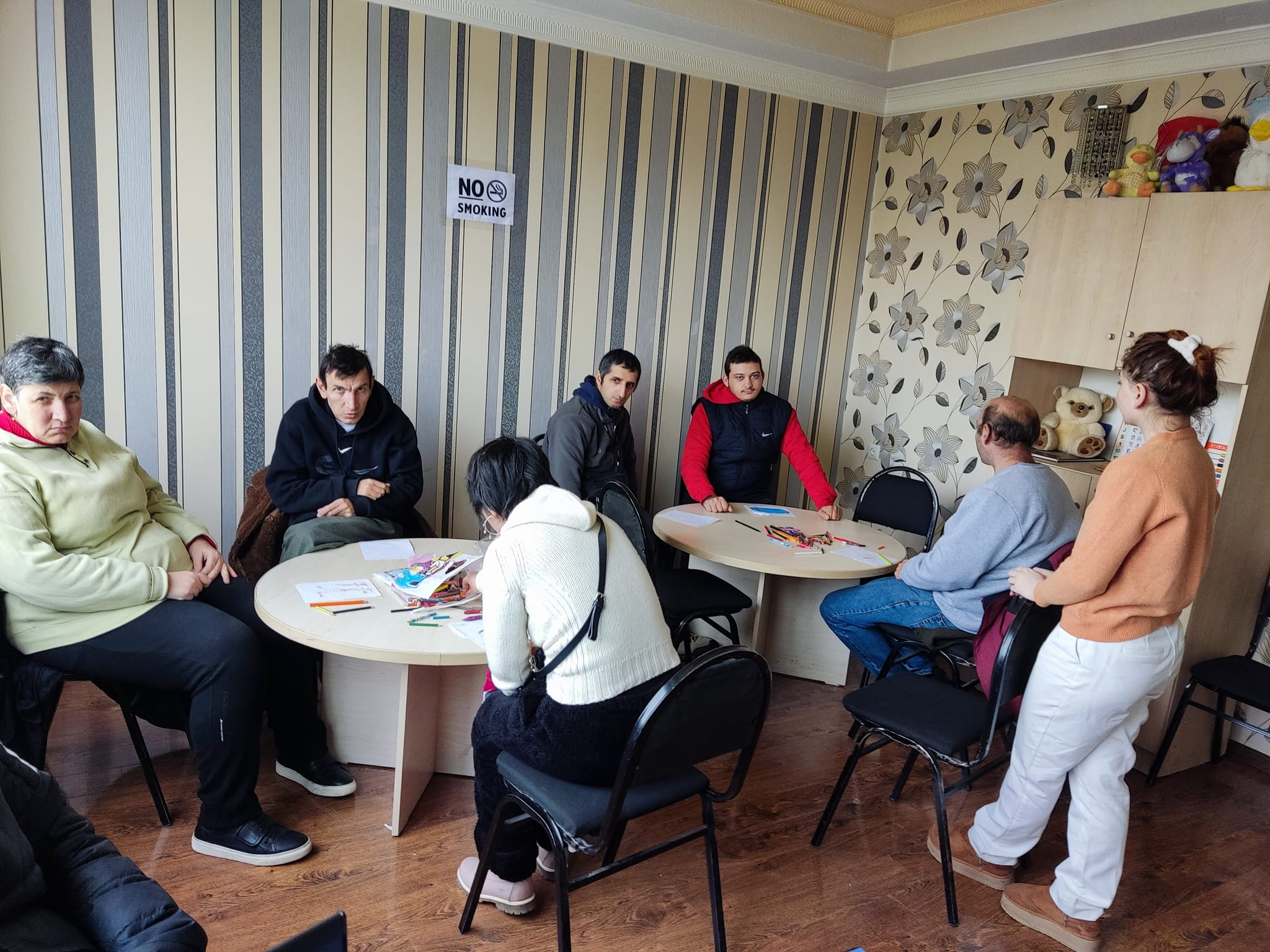
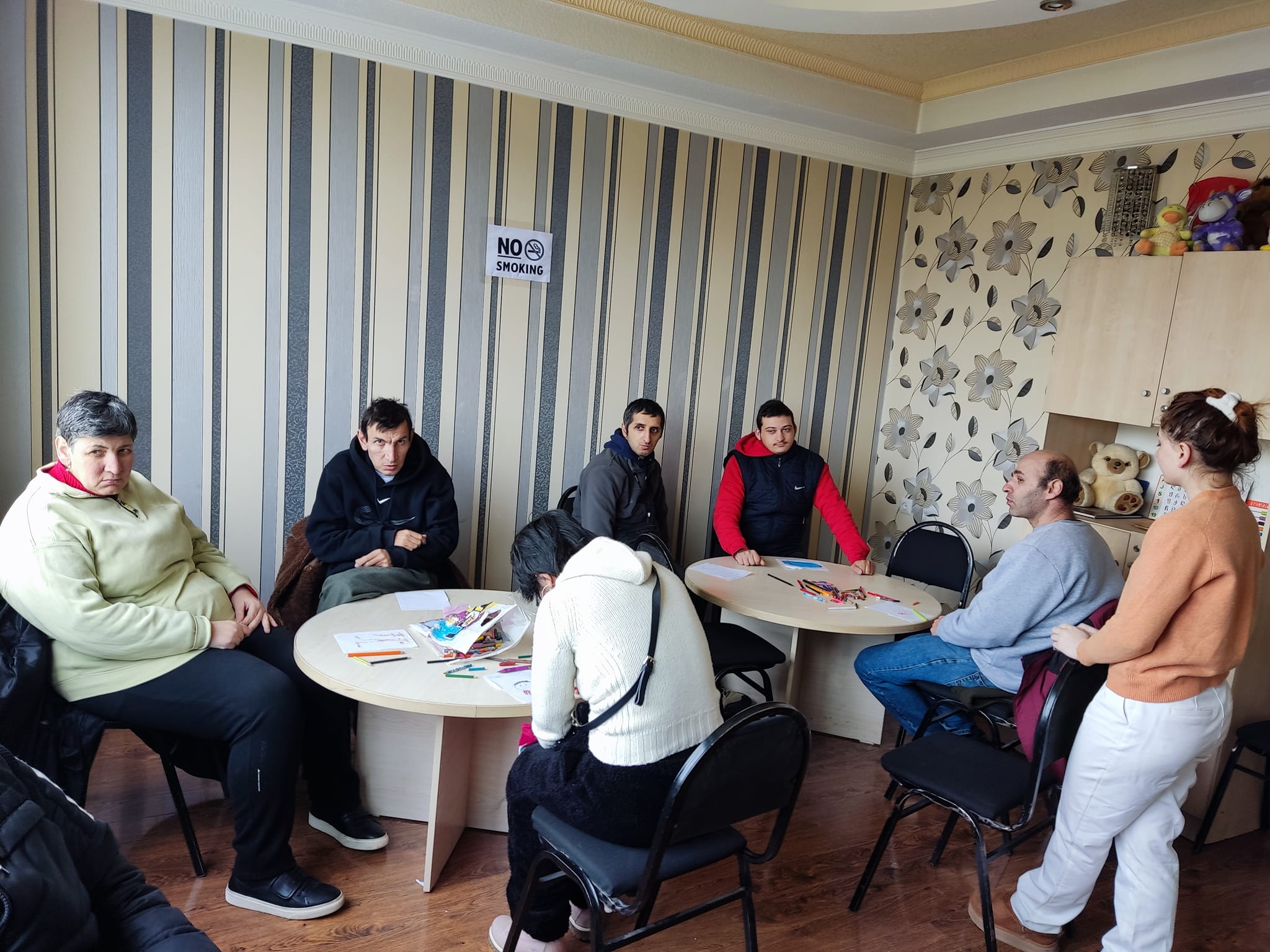
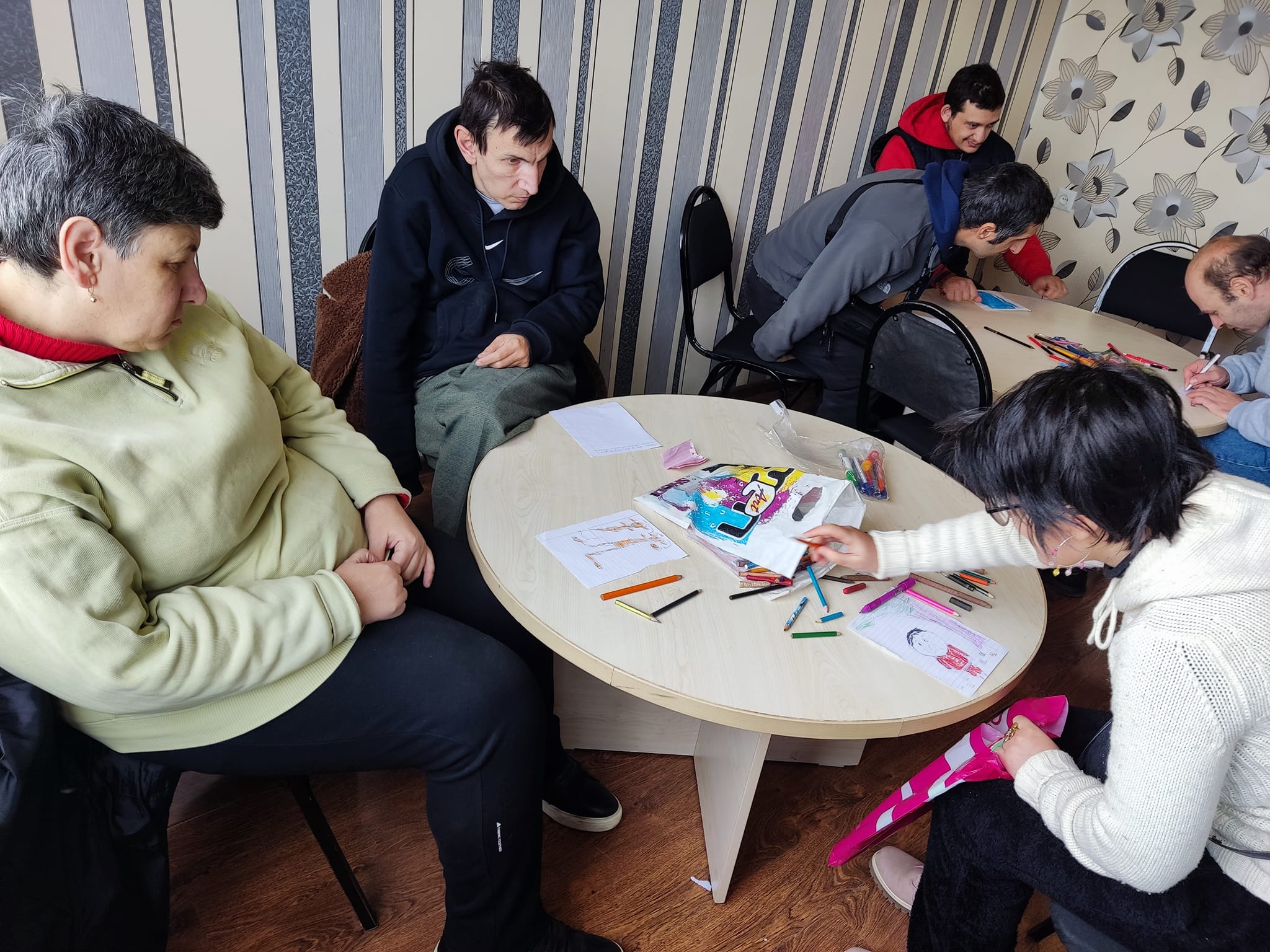
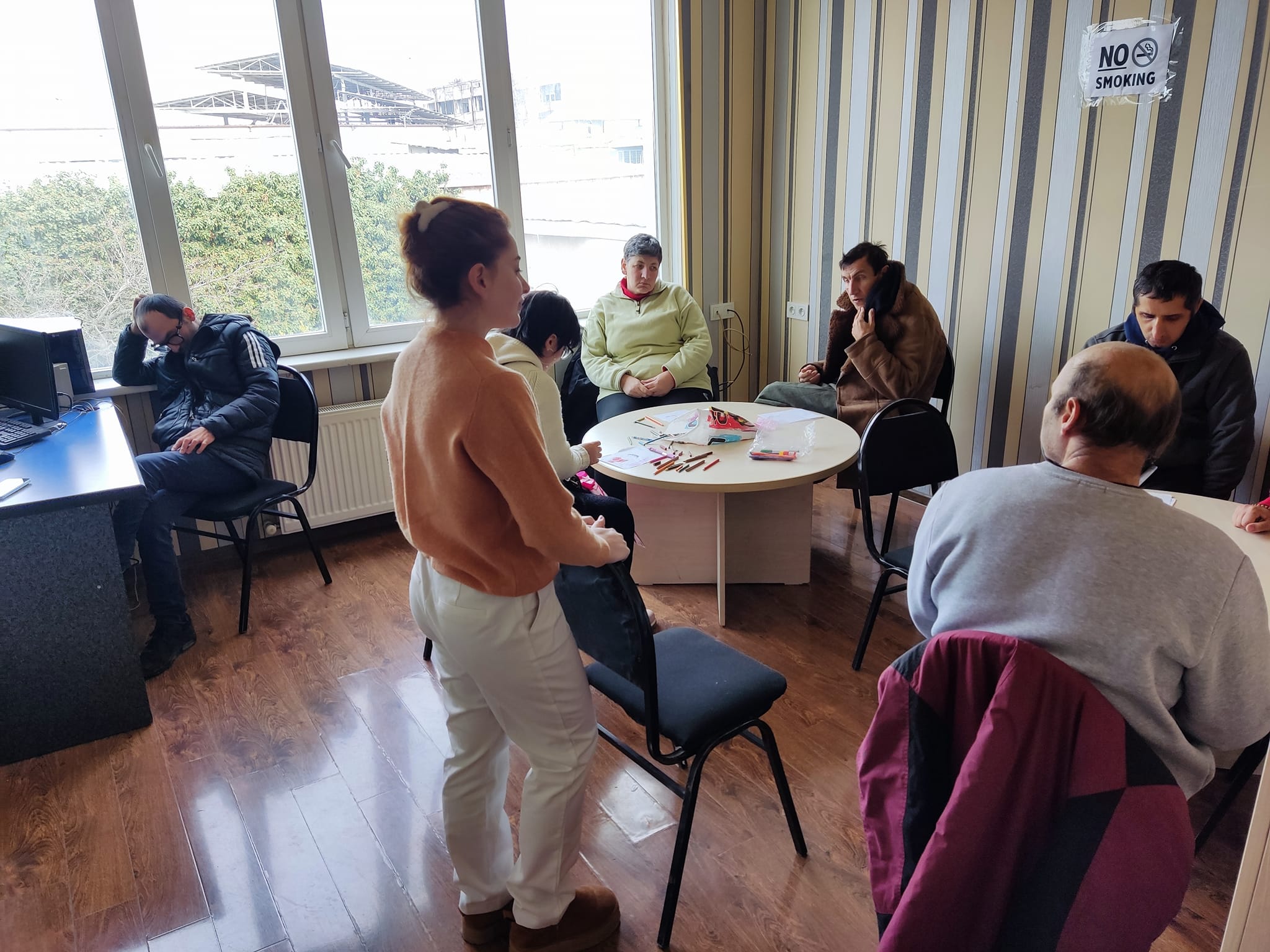
Association “Ika-21” - Irakli Kemoklidze Day Center held a psychological hour, group therapy on the topic: Anxiety, Obsessions, Recommendations.
Anxiety and obsessions in persons with disabilities may be caused by various factors, for example:
Anxiety Psychosocial factors: Persons with disabilities often have to overcome difficulties in public spaces, which may provoke anxiety.
Physical and health problems: Chronic pain or exacerbation of a health condition may be a factor in anxiety.
Traumatic experiences: Medical interventions or social isolation are often triggers for anxiety.
Obsessions
Compulsive behavior: Sometimes people with disabilities may experience obsessive thoughts or behaviors that involve certain rituals. This may be an attempt to reduce anxiety.
Autism spectrum: Obsessive interests and behaviors are common among people with autism.
OCD: Obsessive-compulsive disorder may be present in people with disabilities.
Referrals and recommendations:
Cognitive behavioral therapy (CBT): This method is effective in managing anxiety and obsessions.
Medication: If necessary, medications can be prescribed by a psychiatrist to reduce symptoms of anxiety or obsessive-compulsive disorder.
Social Support: Support from family and friends is important for the emotional well-being of people with disabilities.
Come Visit Us!
Our organization is always open to visitors: if you want to visit our center as a person with disabilities, parent or just an interested person, just contact us here to schedule your meeting.